
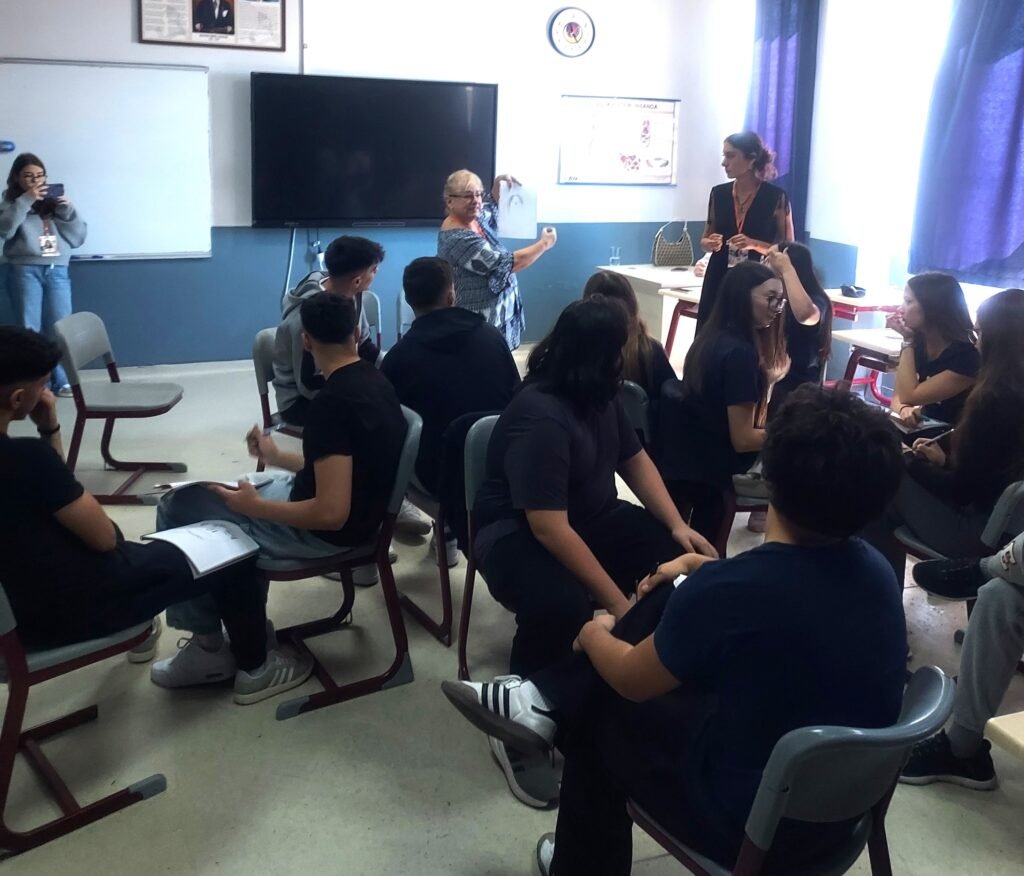
From 22 to 28 September 2026, in Uşak, Türkiye, as Human to Human GROWTH, we had the opportunity to contribute to the educational dimension of Erasmus+ Zero Waste Kitchen | Atıksız Mutfak, bringing an experiential non-formal and intercultural learning experience into a high-school classroom at TED Uşak College.
Aspasia Protogerou, intercultural expert and trainer, with Giannis Sourelis as assistant facilitator, delivered the experiential workshop Portrait Activity – Personal Identity & Shared Values. Its aim was to strengthen intercultural dialogue and introduce students to a different way of learning through participation, personal expression, interaction and reflection. Students explored elements of personal identity, how we perceive ourselves and others and, above all, the shared values that can build bridges between people and cultures.
 Our contribution formed part of a much larger undertaking. Behind Zero Waste Kitchen was almost a year of work: research into traditional zero-waste practices, eight online sessions, workshops, educational and digital resources, multilingual publications, an Intercultural Zero Waste Kitchen & Recipe Book, and three children’s books.
At the heart of this effort is Dr. Sezer Aksoy, Founder and Project Leader of Zero Waste Kitchen and founder of Ortak Geleceğimiz Araştırma, İletişim ve Dayanışma Derneği. Together with his team, he mobilised an impressive network from education, academia, the arts, technology, civil society and gastronomy.
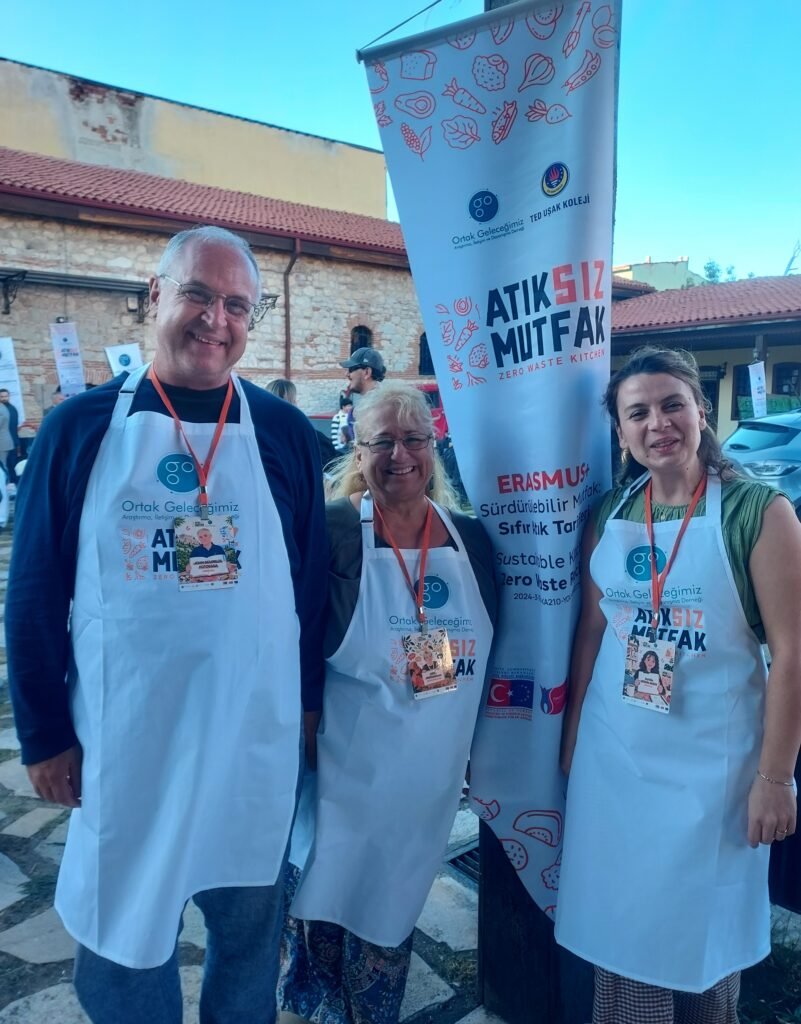 The four-day international final programme at TED Uşak Koleji brought together more than 50 people and connected different fields of knowledge and experience. Among them were Sezer Dirican, MasterChef Türkiye 2025 Champion, who shared his expertise with the project, contributed to recipe review and took part in a MasterChef simulation at TED Uşak; Assoc. Prof. Dr. Elif Gözler Çamur, who presented the history and cultural journey of ancient Garum and Marmara Island Garos, highlighting how fish by-products can be transformed through fermentation into a valuable food product; and Dr. Iman ALHirsh from Palestine, who presented the role of edible wild plants in nutrition, food-waste reduction and sustainable food systems.
For us, the experience confirmed that sustainability is not only about the resources we choose not to waste. It is also about the cultural knowledge we preserve and pass on, how we learn to encounter difference, the communities we create and the relationships we build.
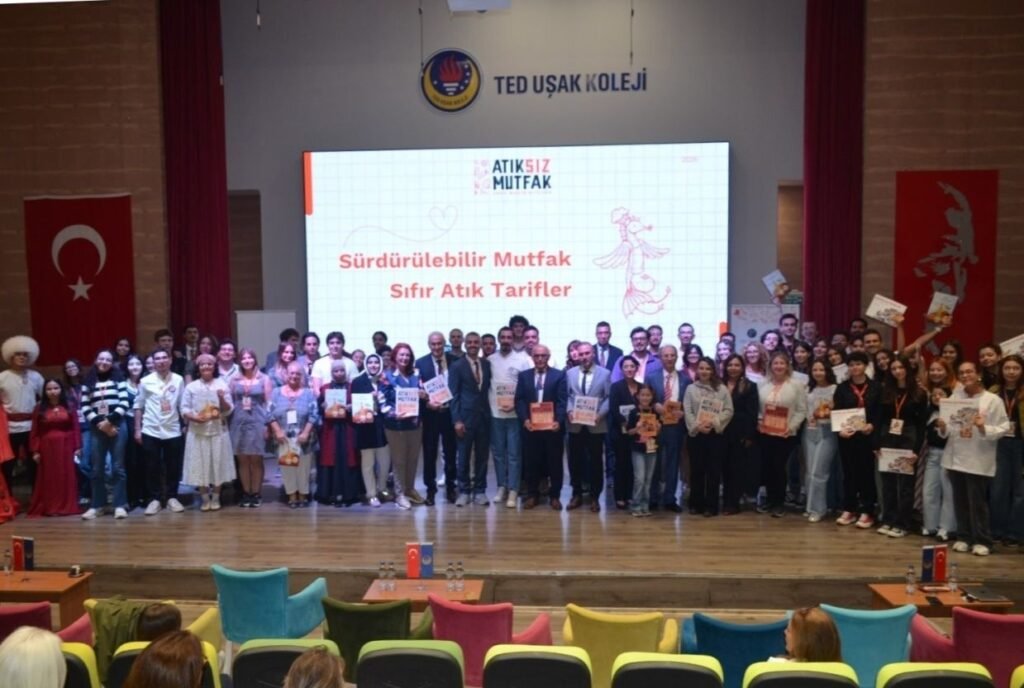 We left Uşak deeply grateful. First and foremost to Dr. Sezer Aksoy, for the vision, perseverance and enormous amount of work behind this multidimensional project. Our heartfelt thanks also go to Duygu Mersin Aksoy for her significant contribution and care, to Philippe Ternes for the invitation, trust and the bridge that brought us to Uşak, and to TED Uşak Koleji, its educators and students for welcoming us.